
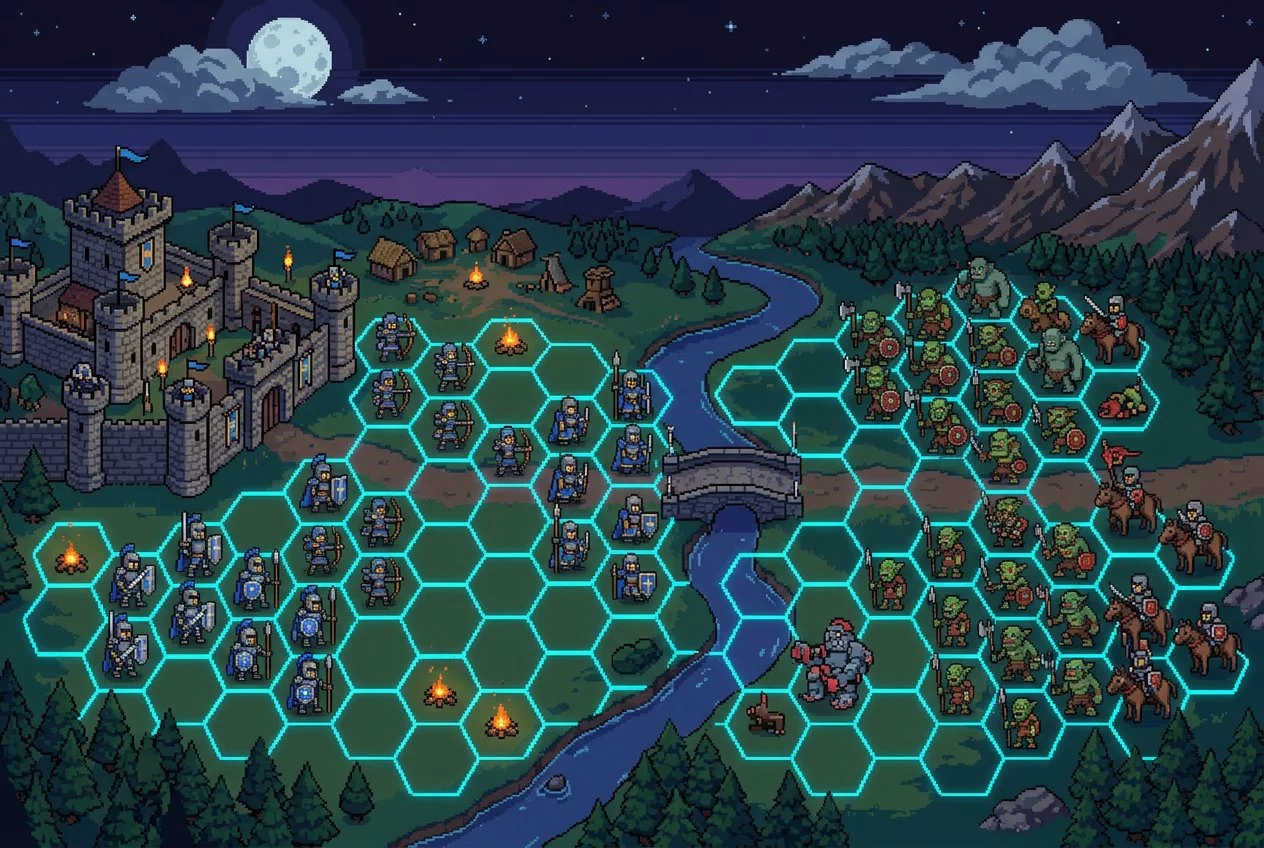
Turn-based strategy games represent the ultimate test of a player's foresight and patience. Unlike real-time variants where reflexes might save a poorly positioned unit, turn-based systems demand total commitment to every decision. You aren't just reacting to an enemy; you are outmaneuvering them three steps ahead on a board where every tile counts.
The Geometry of Battle
The core of many tactical RPGs lies in the grid. Whether it is a traditional square grid or the more nuanced hexagonal layout, the geometry defines how you approach an engagement. Hexagonal grids provide six directions of movement, reducing the 'jagged' feel of diagonal movement found in square-based systems. This allows for more natural flanking maneuvers and complex defensive formations that can turn the tide of a desperate skirmish in a dense forest or a narrow dungeon corridor.
Resource Management and Action Points
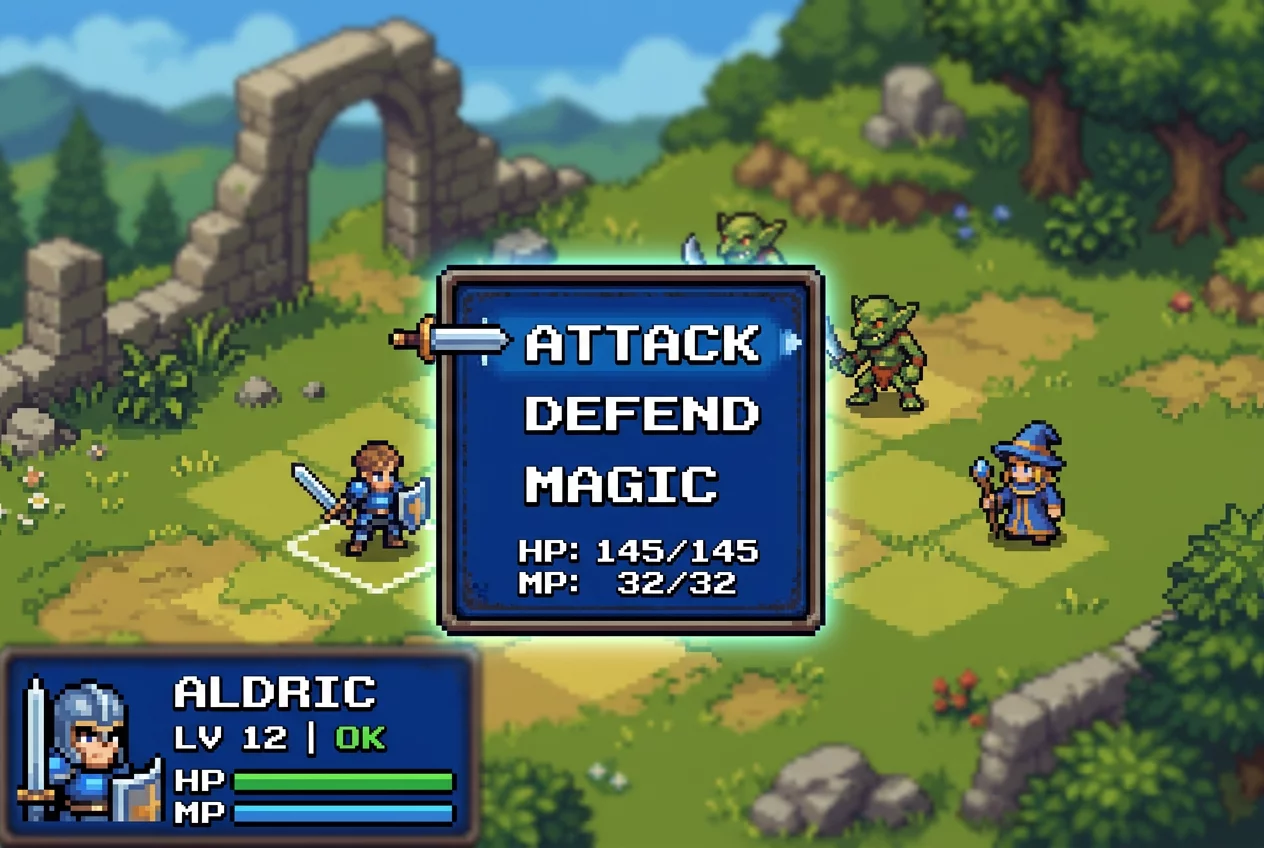
Action Points (AP) dictate the rhythm of the encounter. Deciding whether to spend your remaining points on a final strike or saving them for a defensive stance is what keeps players awake at night. These mechanics force a unique kind of engagement where the player feels like a general on a high-stakes battlefield. It is a slow-burn adrenaline rush that only this genre can provide.
Why Retro Tactics Still Matter
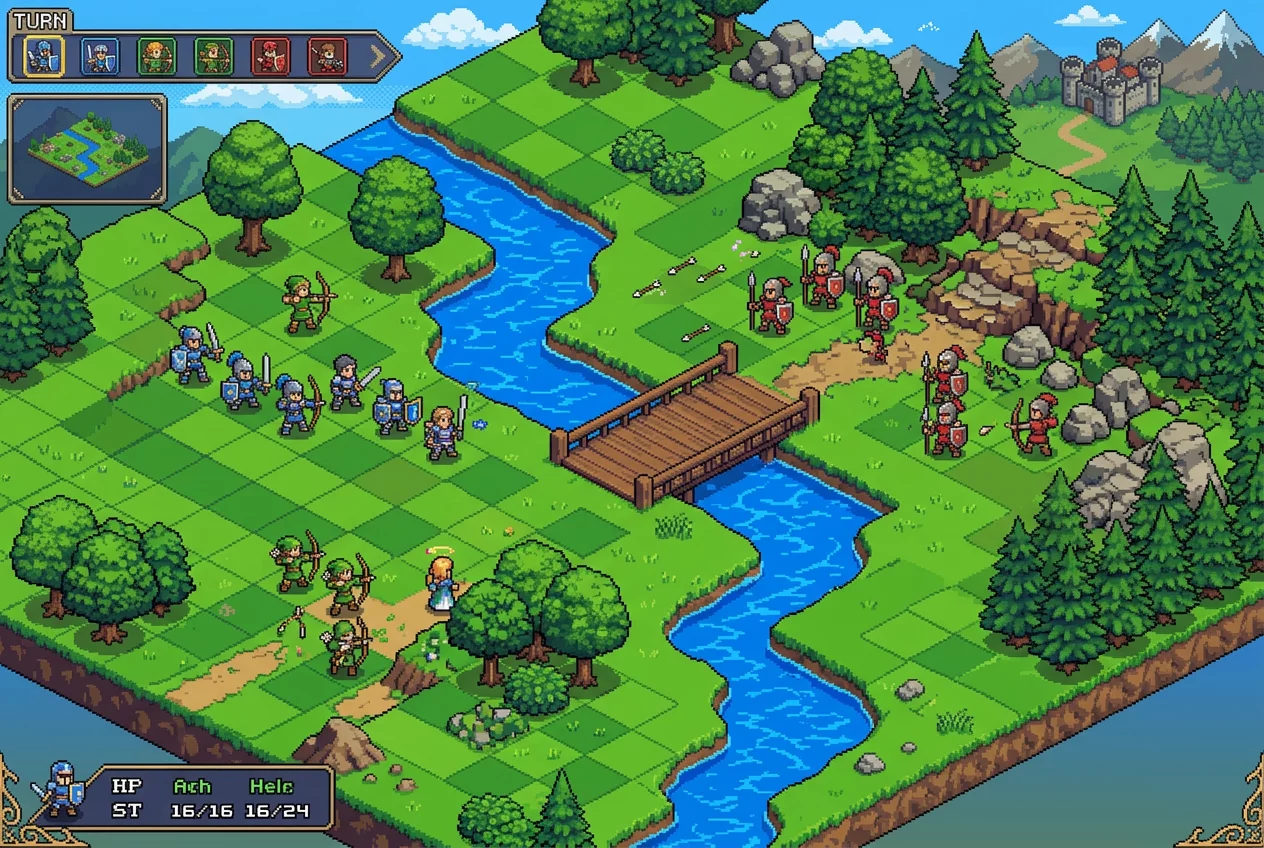
Classic 16-bit titles mastered the balance between simplicity and depth. Without the distraction of high-fidelity 3D models, developers focused entirely on tight mechanical loops and punishing AI. Revisiting these gems today reveals how much modern crown achievements in gaming owe to these early pioneers who proved that a game doesn't need to be fast to be exciting.
Discussion
Ray C.
2026-06-23I love planning my moves. It feels so much more rewarding than just clicking fast. The strategy involved in positioning units is top-notch.
Leave a comment