
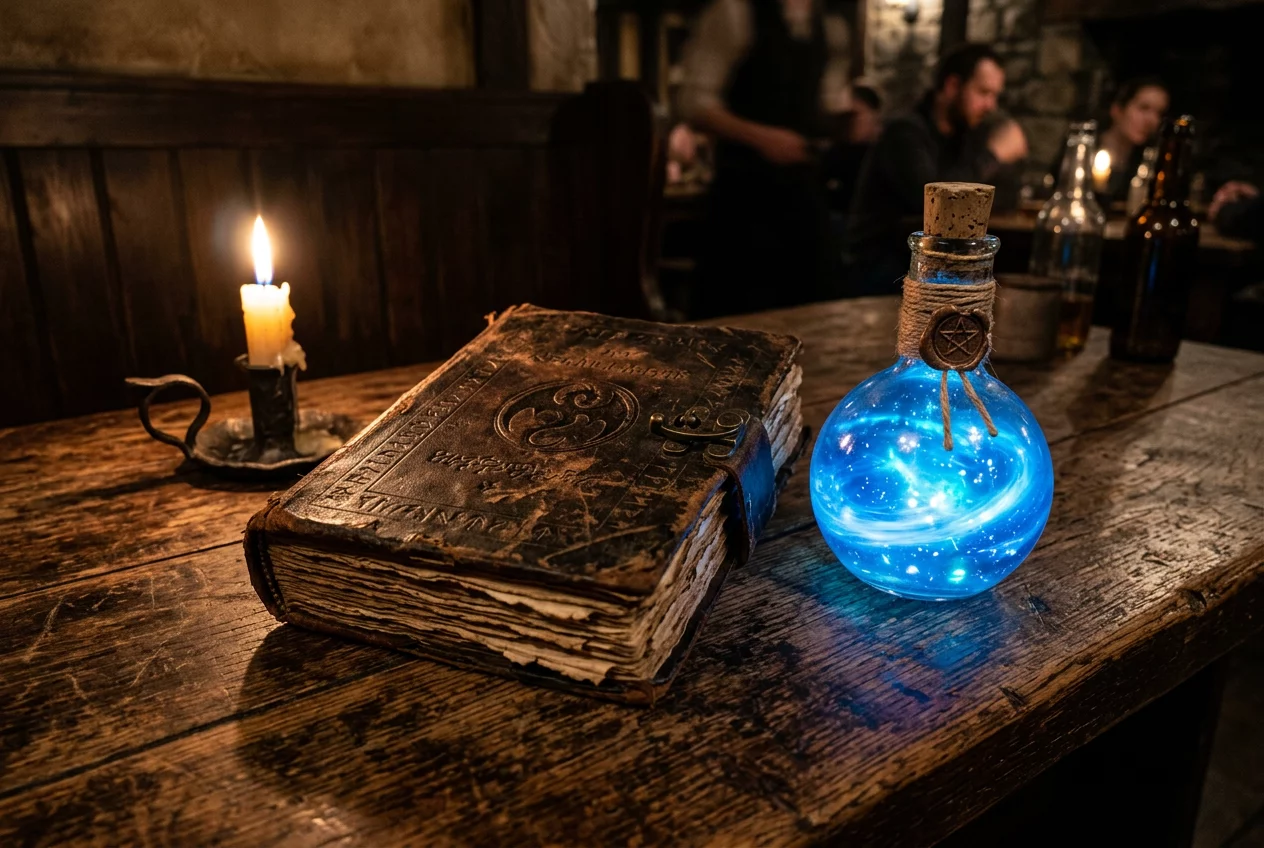
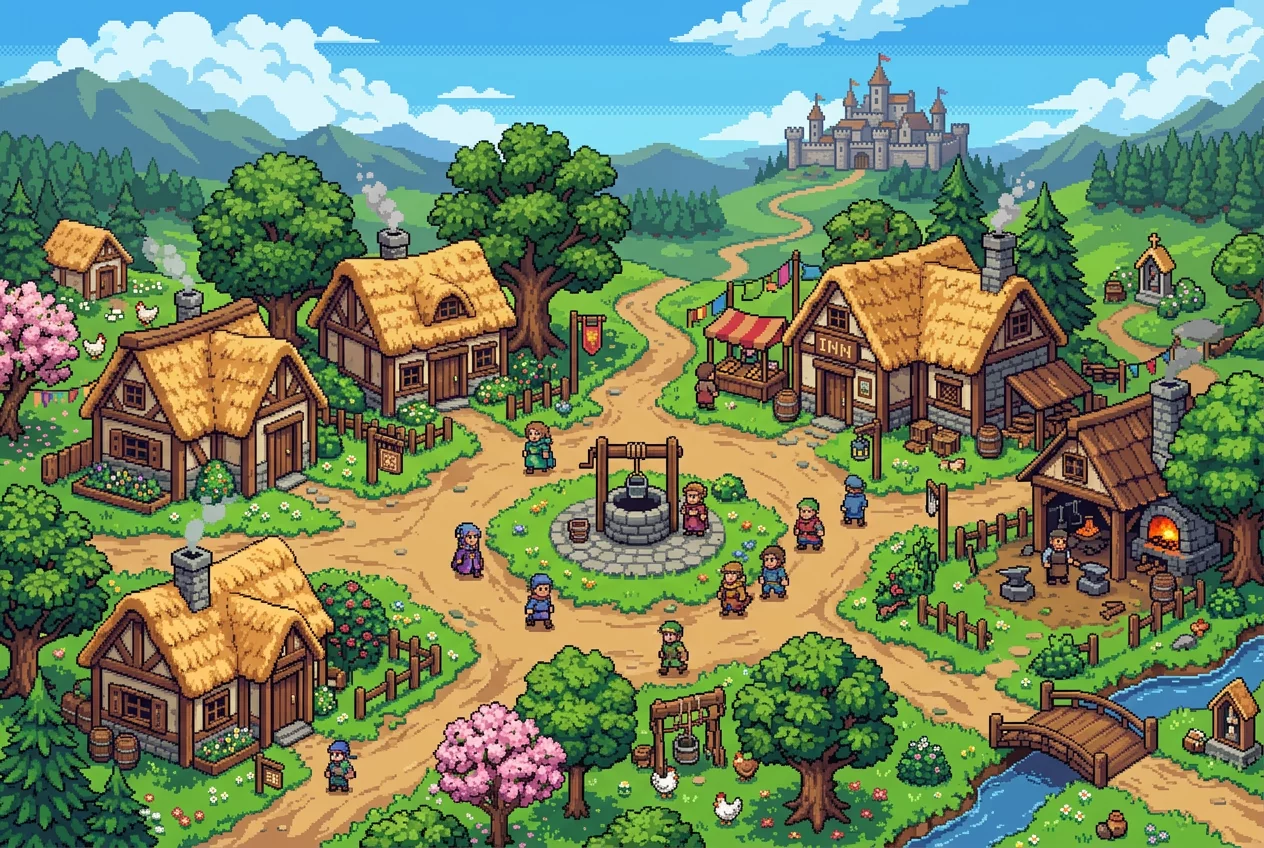
The journey begins in a dimly lit room, where the smell of stale ale and roasted meat hangs heavy in the air. For any veteran of the 8-bit and 16-bit eras, the tavern wasn't just a place to save progress; it was the gateway to another existence. Classic fantasy journeys in early roleplaying games relied on the power of suggestion, using limited color palettes and evocative music to convince us that a handful of pixels represented a sprawling kingdom in peril.
The Weight of the Spellbook
In these early digital worlds, magic felt earned. When we speak of an ancient spellbook resting on a tavern table, we aren't just describing scenery. We are describing the hours spent grinding for experience points to unlock a single, screen-flashing fire spell. The mechanics were often unforgiving, borrowed heavily from tabletop rulesets where every move carried the risk of a party wipe. Yet, it was this very difficulty that made the success feel so monumental.
Pixelated Atmosphere
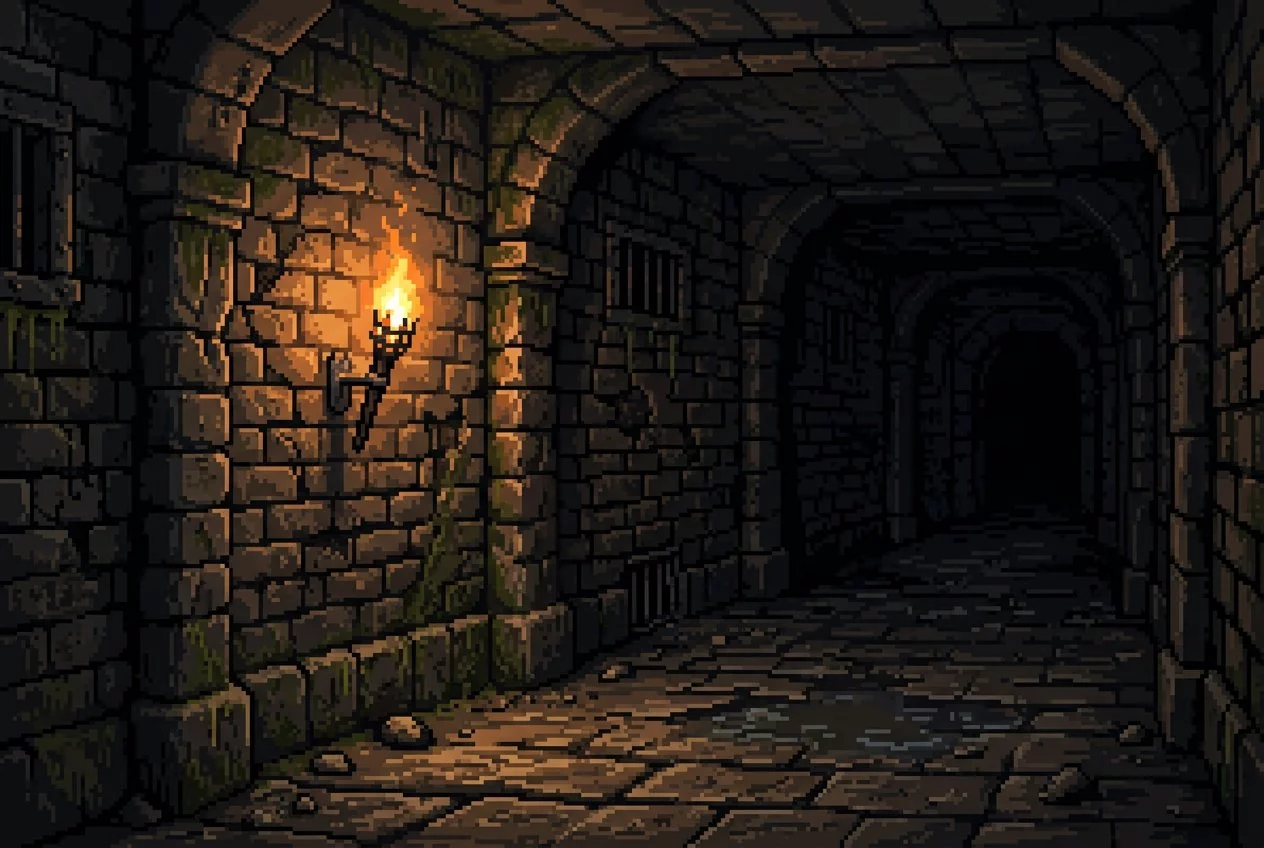
What modern games often miss is the silence. In a classic RPG, the journey between towns was a quiet trek through dangerous terrain. You had to manage your resources, keep track of your potions, and pray that a random encounter didn't deplete your party's health before reaching the next dungeon. These games didn't hold your hand. They invited you to become a cartographer, drawing maps on graph paper while navigating labyrinths that seemed to stretch on forever.
- Authentic turn-based combat systems
- Deeply immersive soundtracks that defined the era
- Branching narratives hidden behind cryptic NPC dialogue
- The pure joy of discovering secrets behind waterfalls
Discussion
Greg F.
2026-05-27Nothing beats the classics. The atmosphere in those early games felt so personal despite the limited pixels.
Leave a comment