
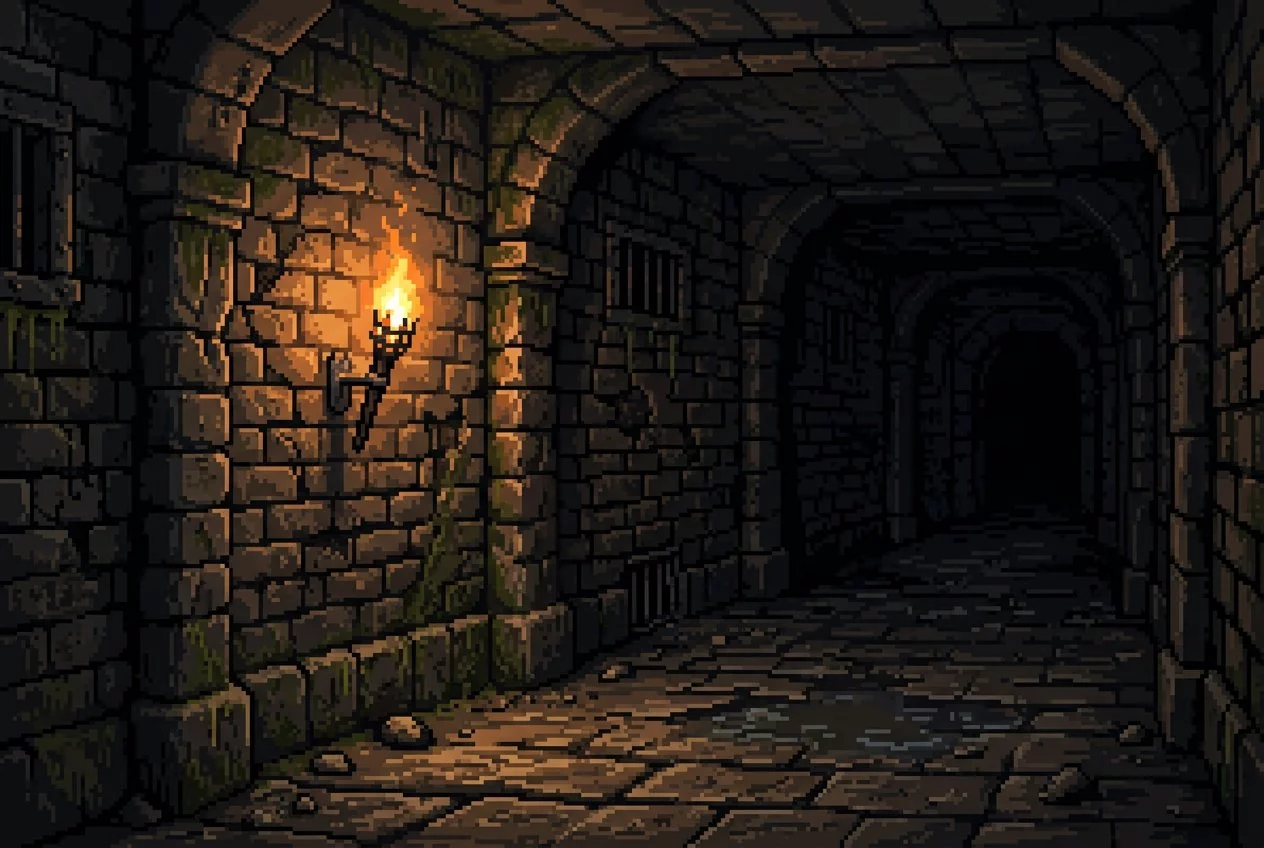
The damp, moss-covered walls press in on every side as the single remaining torch flickers rhythmically against the silence. In the world of Dungeon Explorers, the environment is just as much an antagonist as the creatures lurking in the shadows. This fundamental tension defines the classic RPG experience, turning simple navigation into a high-stakes puzzle of resource management and nerves.
The Architecture of Terror
Dungeon design in the 8-bit and 16-bit eras relied heavily on visual storytelling using very few assets. A single iron sconce or a pile of scattered bones told players everything they needed to know about the lethality of the room ahead. These spaces weren't just random grids; they were carefully curated journeys into the unknown where every step onto a new tile felt like a gamble with fate.
- Limited Visibility: The claustrophobic fog of war forces players to memorize layouts and anticipate ambushes.
- Acoustic Immersion: The drip of water and distant growls create a persistent sense of unease.
- Tactical Pacing: Resource management, such as torch life and inventory space, dictates the rhythm of the crawl.
Mastering the Subterranean Labyrinth
Surviving these depths requires more than just high stats. It demands observation. Successful explorers look for patterns in the stone, hidden switches near light sources, and the subtle shifts in music that signal a looming boss encounter. It is this marriage of player intuition and character progression that gives these games their timeless appeal, even decades after their original release on Dendy systems.

Discussion
Ben W.
2026-06-14The dungeons are so deep. I love how the lighting affects the mood, it makes every corner feel dangerous.
Leave a comment