
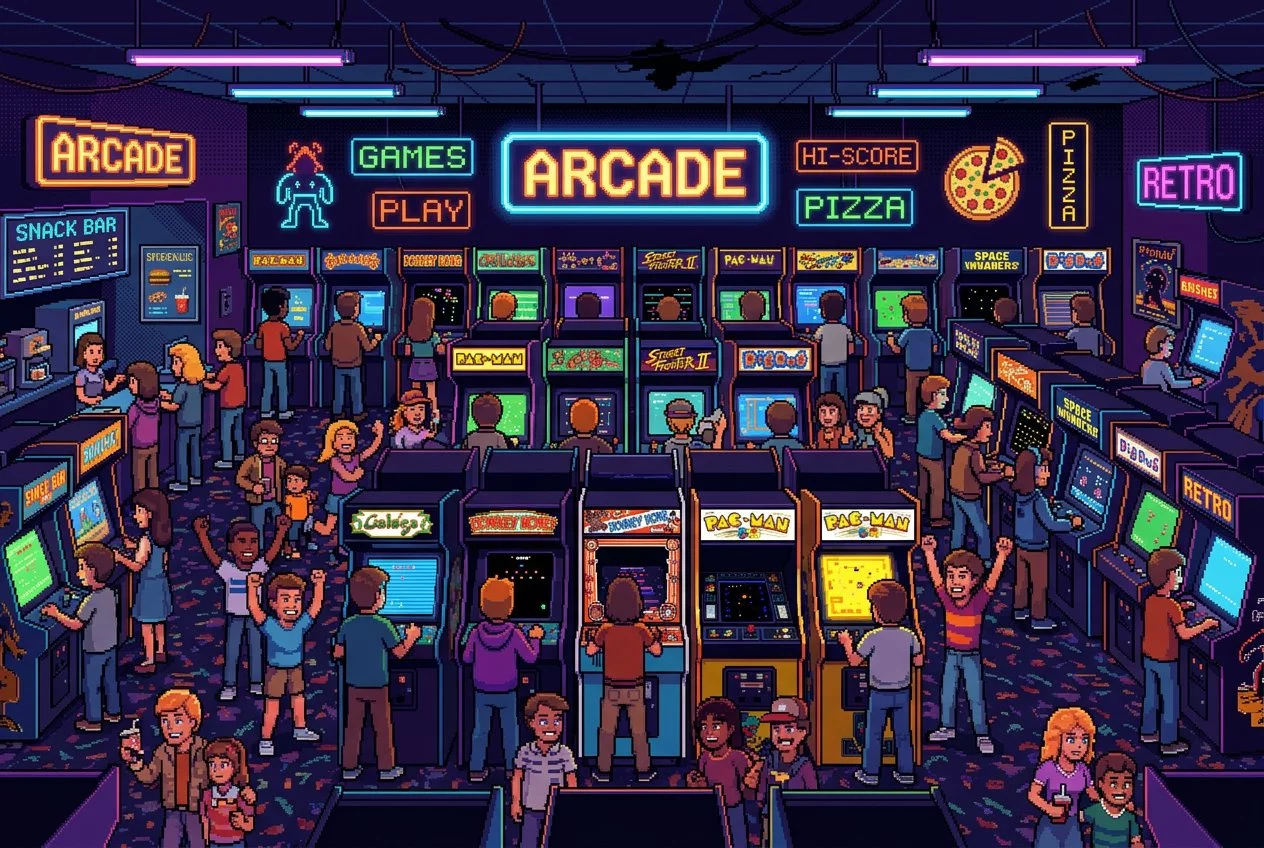
Before consoles became the centerpiece of Every living room, the heartbeat of gaming resided in dark, neon-lit halls packed with rows of heavy wooden cabinets. The arcade era wasn't just about high scores; it was a cultural phenomenon where communities formed around glowing CRTs. It felt like holding a crown of digital mastery Every time your name appeared at the top of the leaderboard.
The Rise of the Cabinets
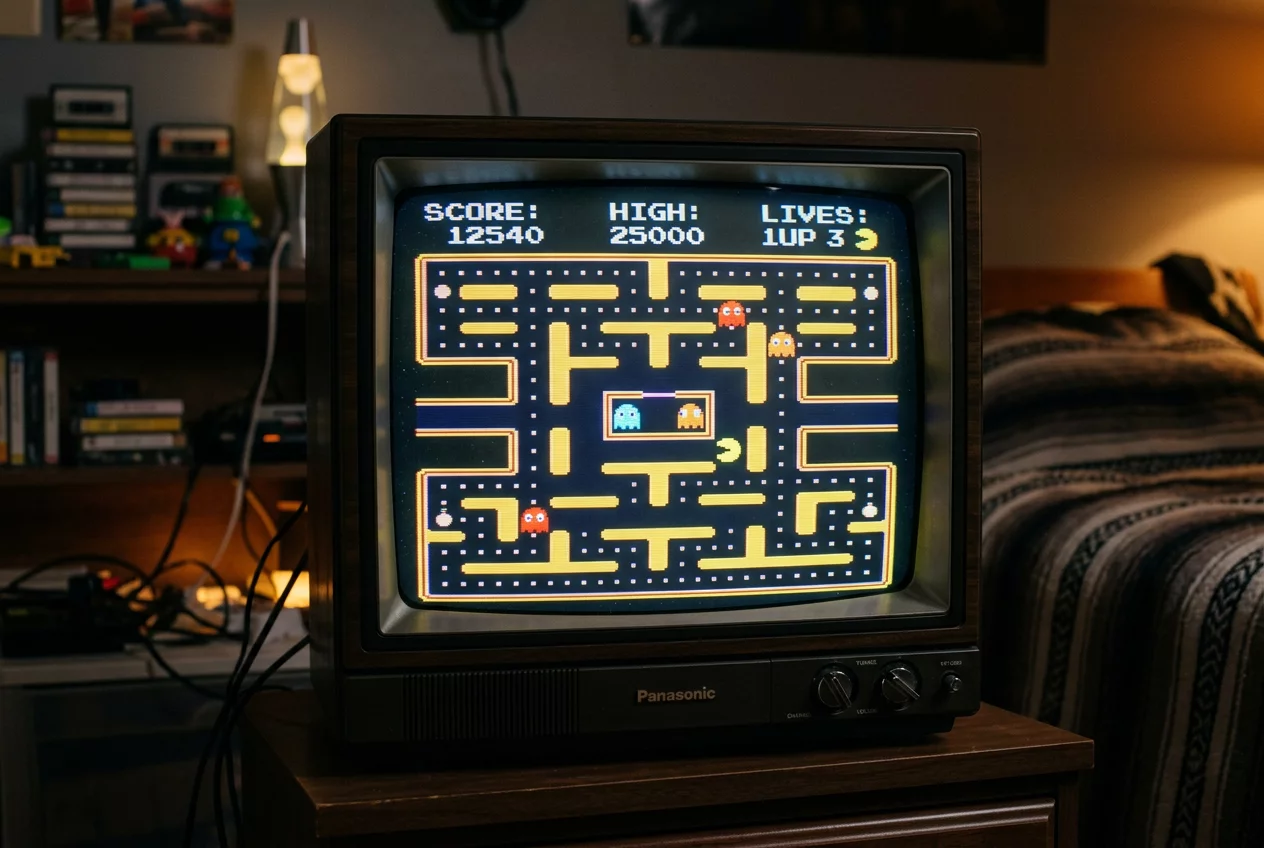
The transition from electromechanical games to digital sprites happened almost overnight. Icons like Space Invaders and Pac-Man transformed arcades from niche venues into mainstream social hubs. These machines were designed to be tough, demanding precision and practice to master.
Technical limitations dictated the art style. Since memory was expensive, programmers used minimalist sprites and vibrant color palettes that stood out against the dark backgrounds. This necessity birthed the iconic pixel art aesthetic we still celebrate today in modern online titles.
Communal Gaming Culture
Arcades were the first social networks. You didn't just play a game; you watched others, learned their patterns, and waited for your turn. The sound of a quarter dropping into a slot remains one of the most nostalgic audio signals for an entire generation.
- Physical Presence: Shared spaces led to local rivalries and friendships.
- Skill-Based Progression: Success was measured in time played per coin.
- Unique Hardware: Controls you couldn't get at home, like trackballs and flight sticks.
A Lasting Legacy
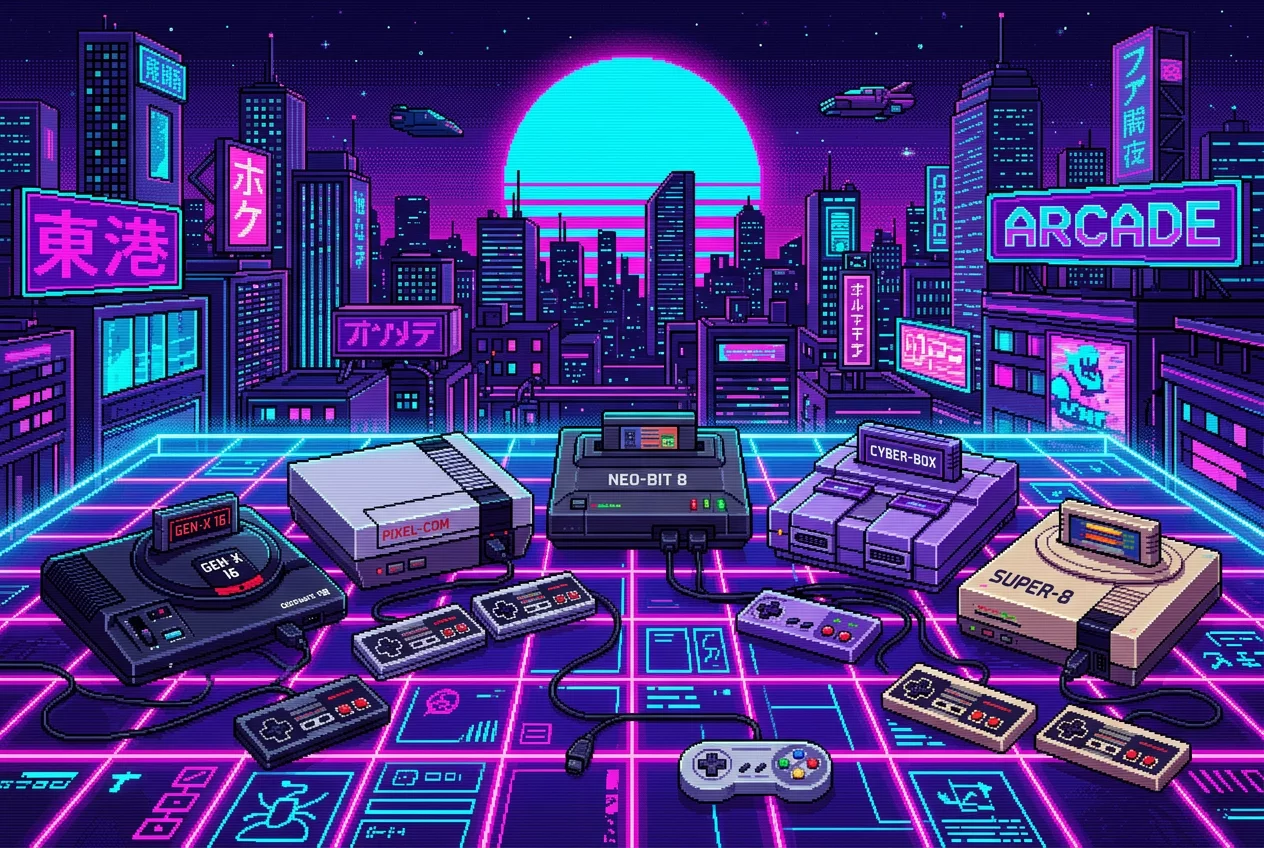
Ultimately, the rise of powerful home systems like the NES and Sega Genesis began to pull players away from the arcade halls. However, the core mechanics developed in those tiny cabinets—tight controls, looping music, and challenging difficulty—remain the foundation of Every popular online game today. We are still chasing that same thrill of the high score, just on much larger screens.
Discussion
Tom H.
2026-06-11Arcades were the best. Nothing compares to that neon atmosphere.
Leave a comment